What Everton’s record signings might cost in today’s transfer market
A leading football finance expert has recalculated historic Premier League fees using clubs’ changing buying power. One former Everton record signing comes out at £104 million in 2026/27 prices, a striking figure that shows how far transfer spending has shifted.
The calculations come from Kieran Maguire, senior lecturer in Accounting and Finance at the University of Liverpool Management School. They use the Laws-Maguire Index, developed at the university with colleague Jason Laws, to adjust original fees for the growth in clubs’ revenues and buying power. Maguire shared a table of historic transfers restated in 2026/27 values after news of England midfielder Eliot Anderson’s proposed £116 million move from Nottingham Forest to Manchester City.
Anderson’s proposed fee ranks only 31st by this measure. Alan Shearer’s £15 million world-record move from Blackburn Rovers to Newcastle United in 1996 would equate to £236.9 million today. Stan Collymore’s £8.5 million move from Nottingham Forest to Liverpool the previous summer would be £176.8 million; Everton were prepared to match that original fee.
Everton don’t have a signing in Maguire’s table, but the comparison still gives useful context. Romelu Lukaku’s £75 million transfer from Everton to Manchester United in 2017 would now stand at £112.6 million. Jack Grealish, who spent last season on loan with David Moyes’ Everton, would have cost £132.7 million at today’s prices when he moved from Aston Villa to Manchester City in 2021, becoming English football’s first £100 million player.
How the figures were calculated
The ECHO asked Maguire to apply the index to Everton’s record signings across the Premier League era. He said he had initially compared the three biggest transfers from each season, with plans to widen the sample to the top 10–20 transfers or examine clubs individually when time allowed.
“This was great fun looking at it for a single club,” Maguire told the ECHO. His figures also point to a shift in Everton’s spending power: the club’s “imperial” period, when it could compete near the top of the transfer market, came in the Premier League’s opening years.
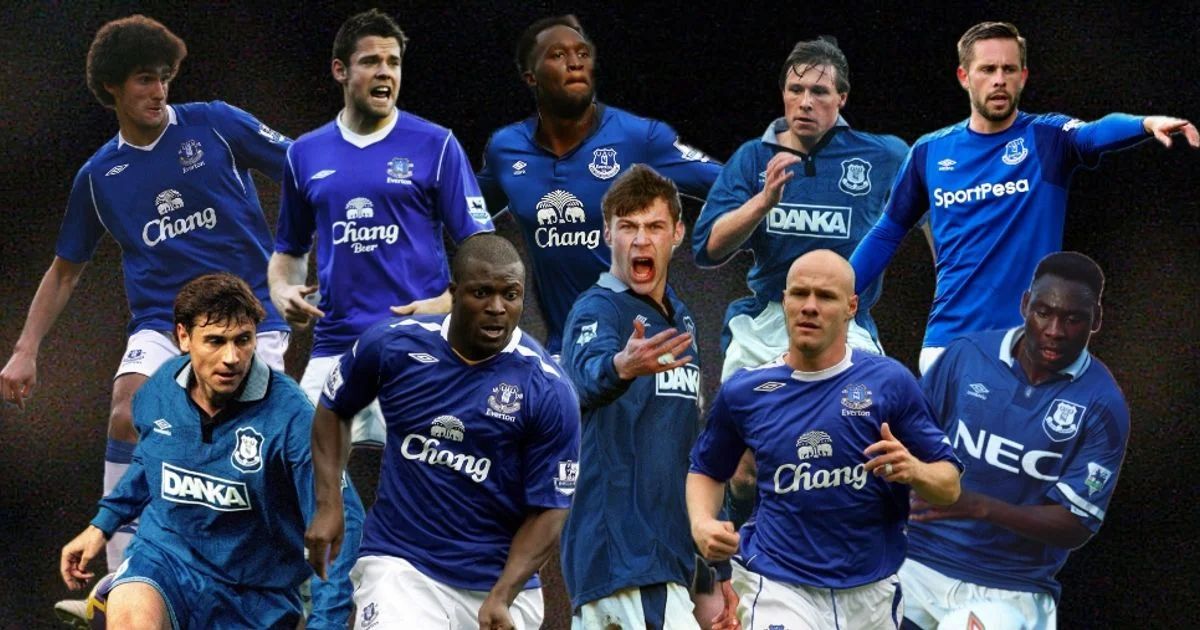
The figures offer a way to compare fees across different eras, though the index measures changes in clubs’ buying power through revenue. It isn’t a direct estimate of what a player would fetch in a modern transfer negotiation. The gallery traces how Everton’s record fees developed and what they translate to under the index.
Everton’s record fees, recalculated
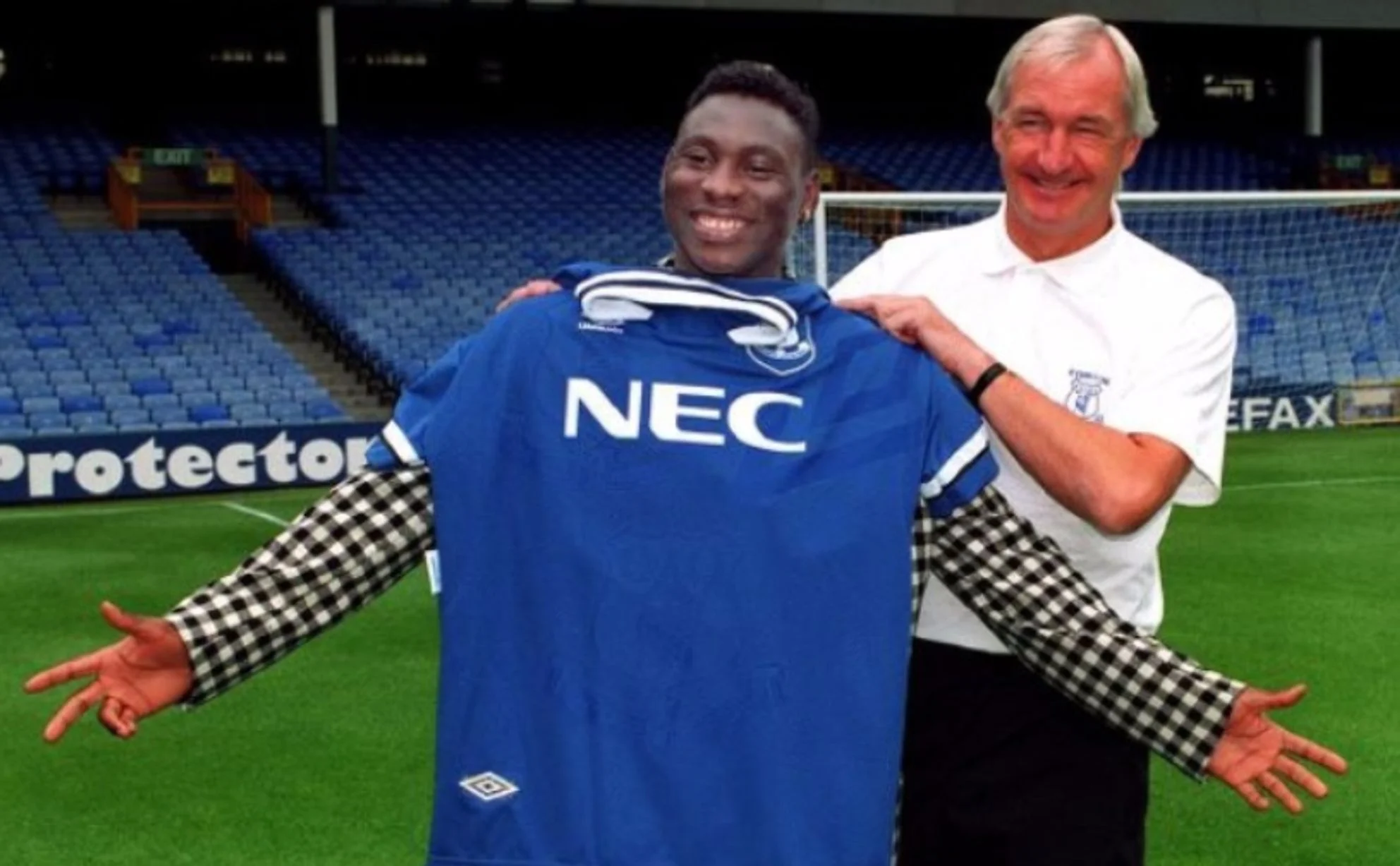
Daniel Amokachi with Mike Walker after Amokachi signed for Everton in August 1994.
Fee paid: £3 million to Club Brugge. Estimated value now: £65.9 million.
(Image: Albert Cooper)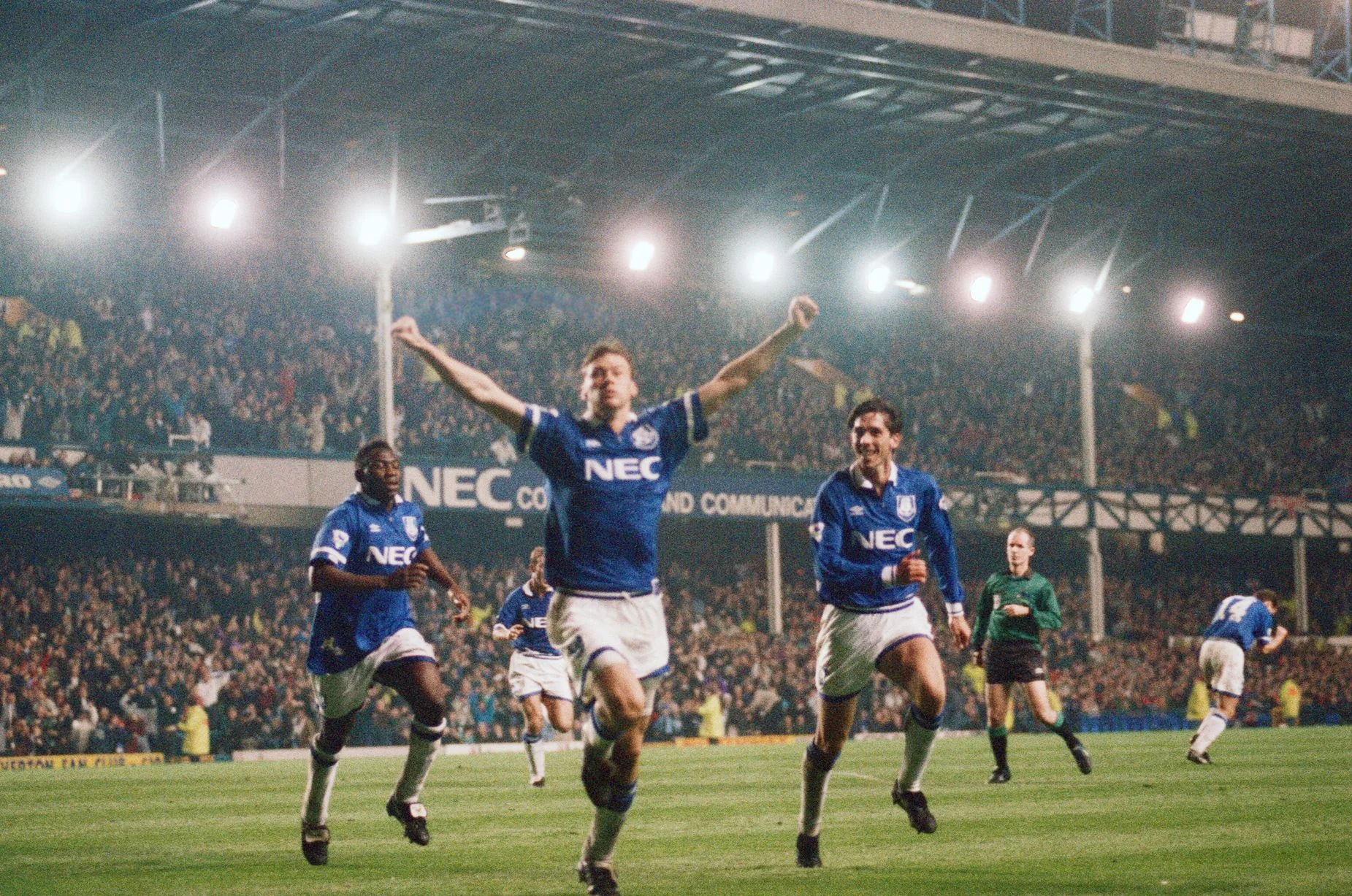
Duncan Ferguson celebrates scoring his first goal for Everton against Liverpool in the Merseyside derby on 21 November 1994.
Fee paid: £4 million. Estimated value now: £87.9 million.
Transfer fees, recast in today’s market
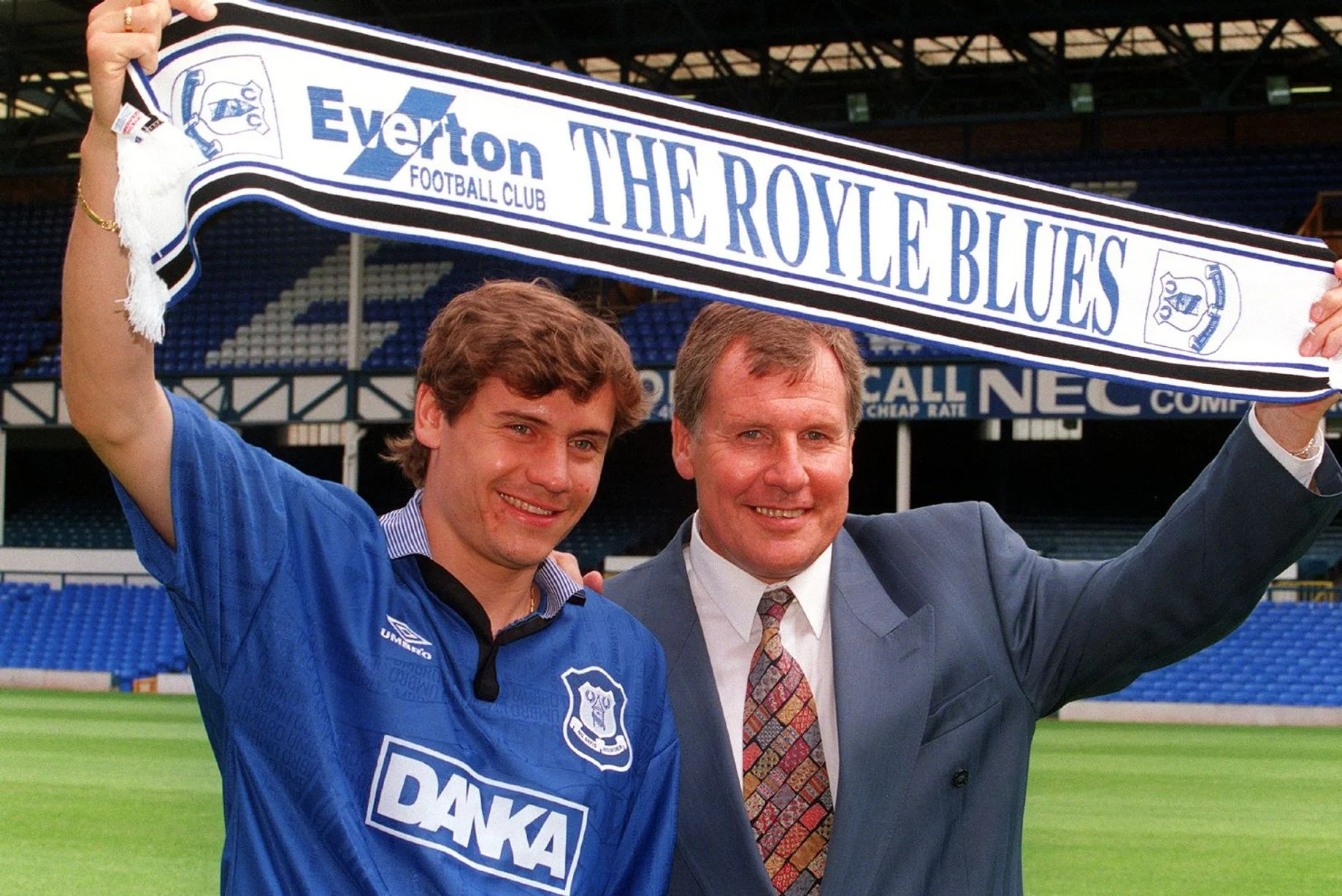
The striking figure here is Andrei Kanchelskis’s: Everton paid Manchester United £5 million for him in 1995, a fee the gallery’s estimate puts at £104 million today. That comparison makes the shift in football’s transfer market tangible, though the fragment doesn’t explain the method behind the present-day valuations.
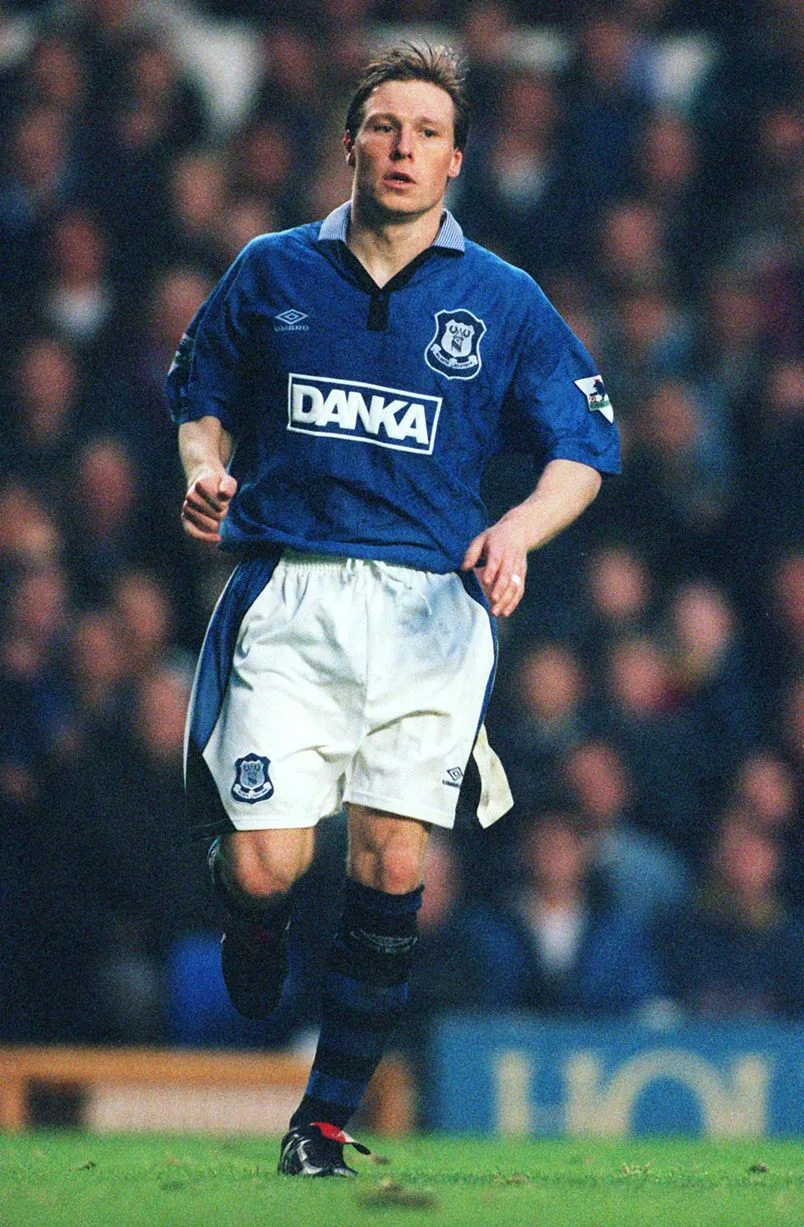
Nick Barmby’s 1996 move from Middlesbrough offers another sharp comparison. His £5.75 million fee is listed as equivalent to £90.8 million now. The estimates suggest that old record signings can look modest on paper while carrying eye-catching modern price tags.
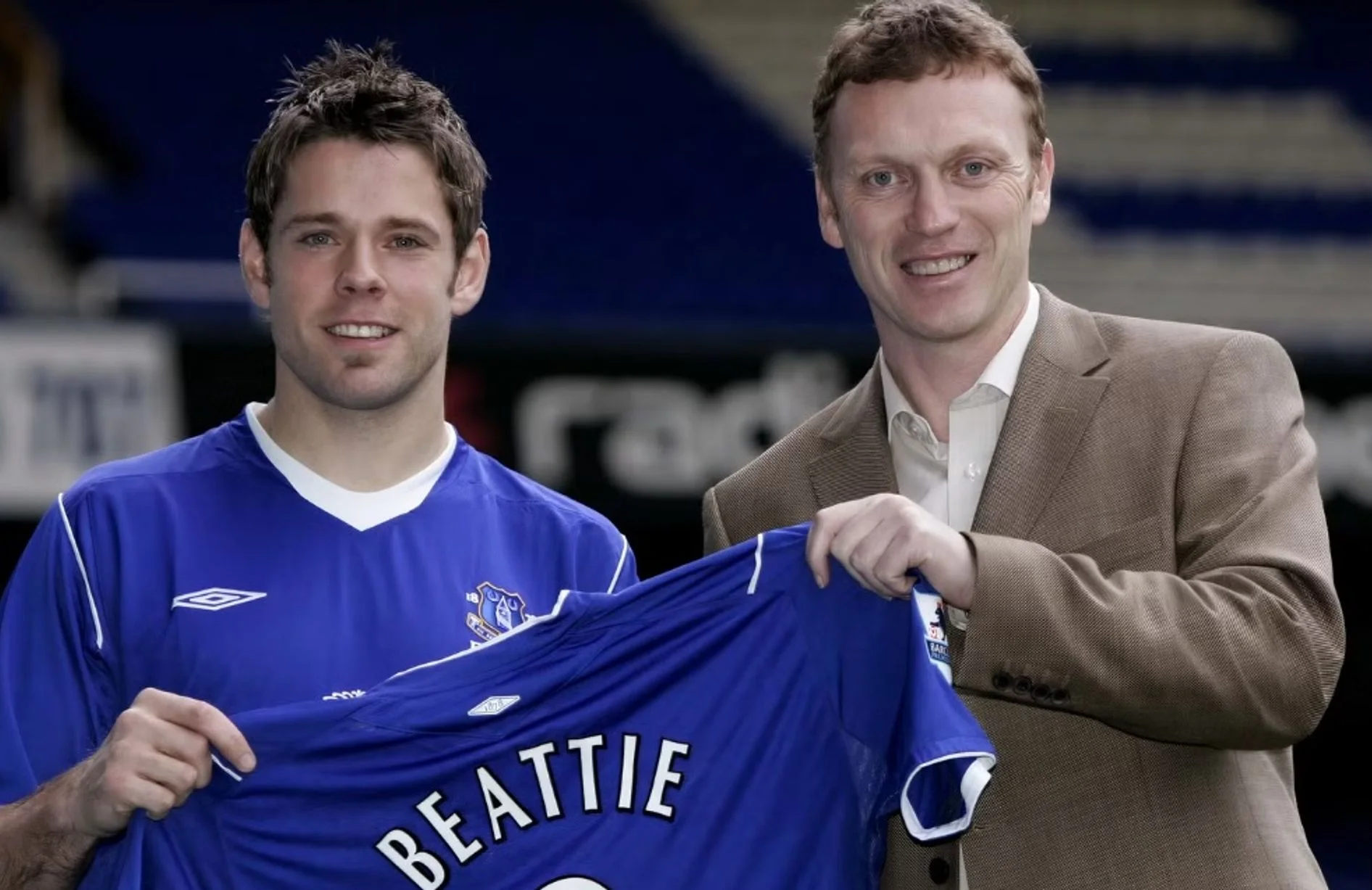
James Beattie’s £6 million transfer from Southampton in January 2005 is put at £31.3 million today. That’s a much smaller jump than the earlier examples, but it still shows how the same exercise spans very different eras—and why the figures need context before they’re treated as direct measures of a player’s worth.