Mohamed Salah’s hamstring scan now hangs over Egypt’s World Cup campaign. The captain came off in the 57th minute of the 1-1 draw with Iran after reporting pain, and his availability for next Friday’s match against Australia is uncertain. For a team that’s reached the knockout stages for the first time, losing its leading scorer would be a serious setback. Egypt’s immediate challenge is to prepare for that possibility without getting ahead of the medical assessment: the pain is confirmed, but its cause and severity aren’t yet clear.
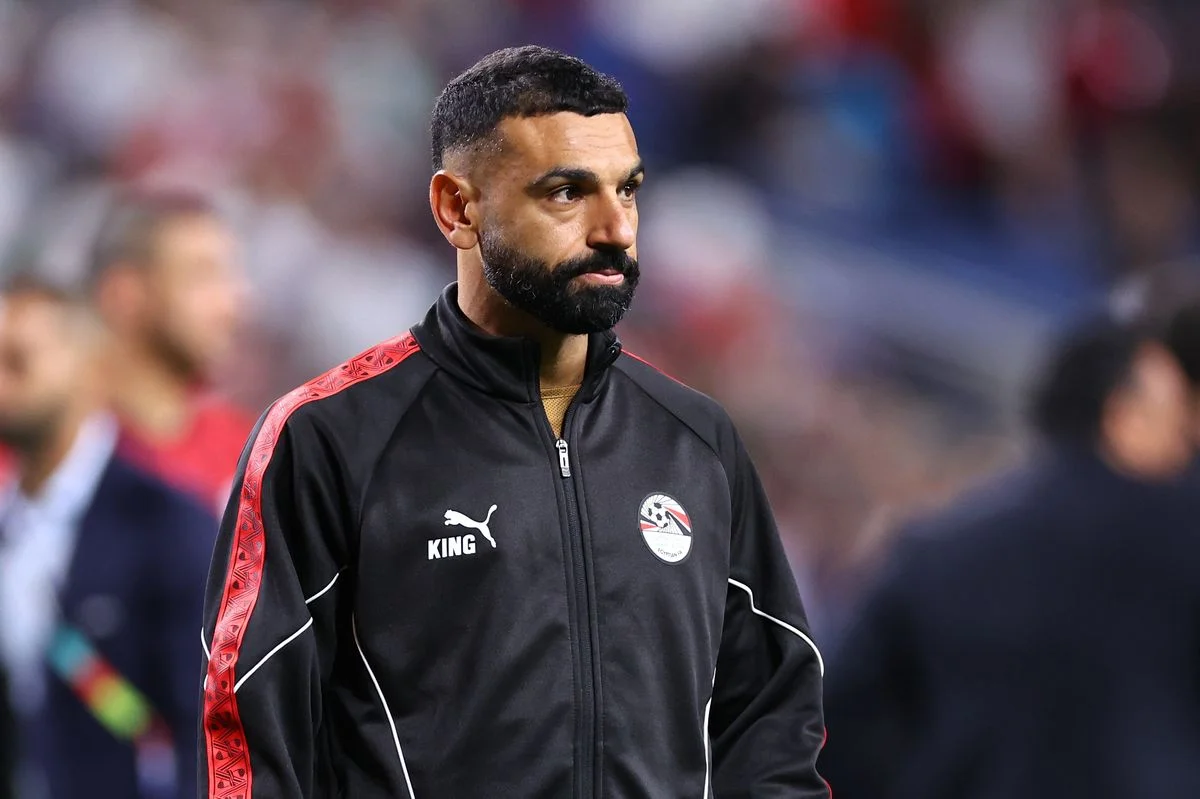
Salah, 34, has scored three goals at this World Cup, including his 68th for Egypt in the 3-1 win over New Zealand. The four-time Premier League Golden Boot winner was replaced by Mostafa Zico against Iran. That change made the concern immediate: Egypt had to continue without its captain while the match was still in progress, and the team now has little time before its next fixture to learn whether he can return.
He is also set to leave Liverpool as a free agent on July 1. That wider career transition gives the injury added attention, but it doesn’t tell us anything about the diagnosis or his plans for the tournament. For Egypt, the relevant question is simpler: can Salah play against Australia, and if so, how much can the team reasonably ask of him?
Scans will determine the extent of the problem
Egypt’s football association said head coach Hossam Hassan confirmed Salah felt hamstring pain during the match. The team’s left-back, Ahmed Fotouh, reported similar pain, while defender Mohamed Abdelmonem sustained an ankle bruise. All three are due to have X-rays and medical examinations with team doctor Mohamed Aboul Ela, who will assess their conditions and set out treatment.
The three cases shouldn’t be treated as one injury story. They involve different players and reported symptoms, and the announcement doesn’t say that their conditions share a cause or outlook. What it does show is that Egypt is waiting on a series of medical checks before it can make firm decisions about availability and treatment.
That leaves Egypt waiting on medical results before it can know whether Salah will be available against Australia. The announcement confirms the symptoms and the planned checks, but doesn’t establish how serious the injury is. That uncertainty matters: Salah’s goals have helped carry Egypt through the group stage, and the next update will determine how much of a concern this becomes.
Hamstring pain can have different causes and levels of severity, so the phrase alone can’t establish a recovery timetable. A scan and examination are meant to provide a clearer basis for that judgment. Until then, confident claims about whether Salah will start, sit out, or be fit later in the tournament would go beyond the information available.
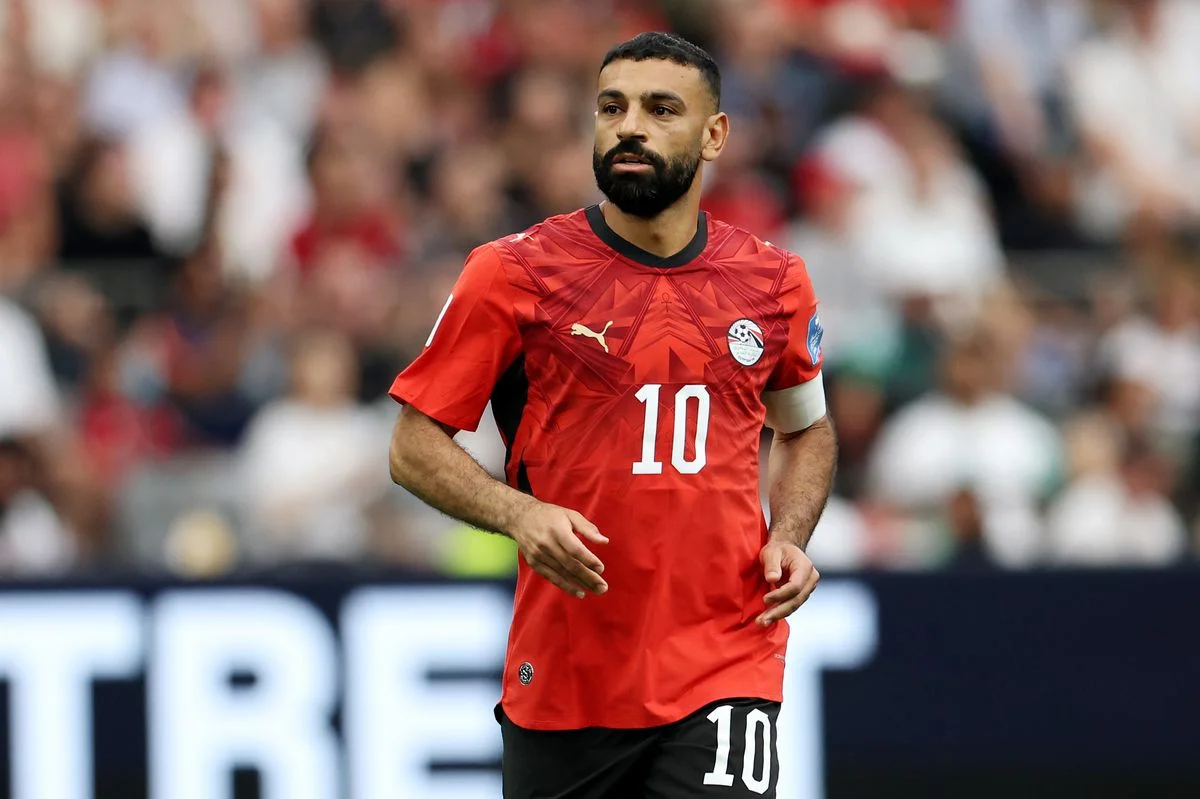
Salah’s next move remains unsettled
For Egypt, the decision won’t be only about whether Salah can take the field. If he’s cleared to play, the team will still need to weigh his fitness against the value of having its leading scorer available. That’s a familiar dilemma for teams dealing with an important player late in a tournament: medical clearance answers one question, while match readiness and workload are separate considerations. The source gives no indication yet of what Egypt will choose.
This is more significant than it looks. Egypt’s first knockout-stage appearance makes the Australia match a test of the squad’s options as well as Salah’s condition. If he’s unavailable, the team will have to find another route to create chances and convert them; if he returns, his presence could shape the opposition’s preparations. Neither outcome can be assumed from the current update.
Mohamed Salah’s Liverpool career is nearing its end, but reports that he’s chosen his next club appear premature. His agent, Ramy Abbas, said on X that Salah was “doing perfectly fine” and that neither of them wanted to discuss private plans with people outside their circle. Any response to questions, Abbas added, would be “a standard polite response.”
That leaves plenty of room for speculation. Turkish businessman Torunogullari recently told Fotospor that Salah was keen to move to Turkey and that talks with Fenerbahce had gone well, including on salary. He said he believed Salah would join if the club’s new management pursued the deal, and that he’d welcome further negotiations. Abbas’s comments don’t confirm or rule out that account; the details of Salah’s plans remain private.
Those statements come from different people and offer different kinds of information. Torunogullari described what he said were discussions and his belief about a possible move; Abbas declined to discuss private plans. Neither account settles where Salah will play next. The distinction matters because a reported interest, or a view that a deal could happen, isn’t the same as a confirmed decision.
Two questions, with different timelines
Salah’s fitness and his club future are now drawing attention at the same time, but they’re separate questions. Egypt needs medical clarity before Australia. The club speculation has no comparable deadline in the information available, and Abbas’s response suggests that public comment may remain limited.
If you’re following Egypt, the practical signal to watch is the medical update, not the transfer chatter. A clear assessment could narrow the uncertainty around the next match, while further comments about a possible club move may still leave the central question unanswered. And this is the part most people overlook: silence about a private decision doesn’t amount to confirmation either way. No firm answer yet.
For Liverpool, the departure closes a nine-year chapter. Salah joined under Jurgen Klopp in June 2017 and leaves among the club’s greatest players, with two Premier League titles, the Champions League, the FA Cup and two League Cups. His destination is still an open question. His place in Liverpool’s recent history isn’t.
That legacy is clear even while the next chapter remains unsettled. For now, the immediate story is the scan: its findings will determine whether Egypt can call on Salah against Australia, while the club question waits for an answer from Salah himself or his representatives.